Are you a renter seeking a pet-friendly property, or wanting to get a cat? Are you a landlord looking for responsible tenants who will look after your property? The information on this page explains how being 'cat-friendly' can benefit everyone - including the cat!
The Renters' Rights Bill has passed the 3rd (and final) reading in the House of Lords, and is now at the 'Consideration of amendments' stage, which is the penultimate step to becoming law. The bill includes a policy allowing tenants "the right to request a pet”, and that landlords must "not unreasonably refuse" that request. Landlords will, however be able to request insurance to cover any potential damage by pets. (NB the pet-related sections of the Bill only apply to England, however similar provisions are being considered in Scotland and Wales)
Renting with cats – advice for tenants
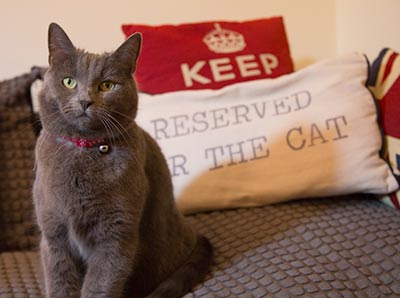 Government Model Tenancy Agreement
The government has recognised the importance of pets and has updated the Model Tenancy Agreement so that consent for pets is now the default position for any landlord that uses this. Furthermore, landlords who use the Model Tenancy Agreement have to object to pets in writing within 28 days of a written pet request from a tenant and provide a good reason if they wish to say no. However, not all landlords use the Model Tenancy Agreement as it is voluntary so it is always best to check with your landlord and ask if he or she will consider allowing a pet.
Q: I want a cat but my landlord won’t allow them, what can I do?
If you live in rented housing and want a cat, start by speaking to your landlord and letting them know you’d like a cat. Even if your tenancy agreement doesn’t allow pets landlords may be willing to be flexible, particularly if it means a tenant may feel more settled. You can help reassure your landlord that your cat is unlikely to cause a problem by taking a few simple steps which can be found here: Cats Protection - Renting with Cats Guide
Q: I have to give up my cat because I can't find a cat-friendly landlord – what can I do?
If you’re having trouble finding a property where you can keep your cat, you can try the following:
- Check the tenancy agreement: Landlords who use the 'Model Tenancy Agreement', are no longer able to impose a blanket ban on pets. Since the agreement was updated in January 2021, consent for pets is the default position. Landlords wishing to object to pets will need to put it in writing within 28 days of a written pet request from a tenant, and provide a good reason for their objection.
- Pick up the phone: Many adverts may state ‘no pets’, but the landlord might be flexible once you approach them. Try phoning local letting agents and landlords and explain your situation. By reassuring them that you’re a responsible owner and your well behaved cat has been neutered, microchipped, vaccinated and treated for fleas, they may be happy to go ahead.
- Put together a Pet CV: This will tell prospective landlords about your cat. It should include vet records so they can see the cat has been neutered, microchipped, vaccinated and protected against fleas and other parasites. It can also include details about your cat’s character, how they like to spend their time, if they use a litter tray and how they interact with people and animals. Take a look at Cats Protection's Example Cat CV
- Get a Reference: If you’ve previously rented, ask your former landlord for a reference to prove that your pet was well behaved and caused no damage or other issues. You can download excellent (free) templates for a Landlord Reference and Vet reference from the AdvoCATS website here: AdvoCATSeastmids.org.uk/tenants
- Ask for help: If you need to move and still haven’t found a property, you could book your cat into a boarding cattery or ask a trusted friend or family member if they would look after your cat while you find a suitable home. A landlord may be more inclined to allow cats once you are known to them as a trusted tenant.
- Rehoming: If you are still unable to keep your cat, read our advice here: Rehoming a Cat Safely. Also see Other useful links & contacts at the bottom of this page.
Deposits & Pets
Under the Tenants Fees Act 2019, landlords and letting agents in England can't request a higher tenancy deposit if you have pets. Find out more - Tenants Fees Act
Renting with cats – advice for private landlords
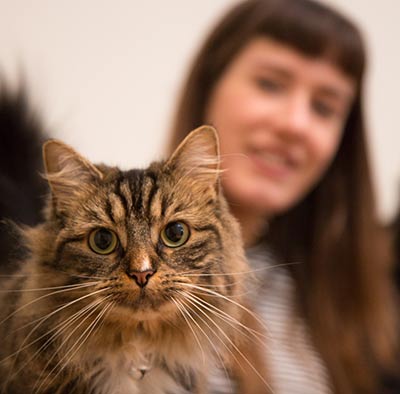 Q: Why should I be a cat-friendly landlord?
More than half of adults in the UK own a pet, and adults in their mid-30s - 40s are three times more likely to rent today than they were 20 years ago. Consequently more and more renters now need pet-friendly properties.
Cats make a house a home and the benefits of happy tenants is obvious: they’re more likely to stay for longer and value the home they’re renting.
Q: I want to be a cat-friendly landlord – what should I do?
- Consider using the Government's Model Tenancy Agreement. This agreement states that you are happy to accommodate pets, and rejection will only be made where there is good reason. This agreement ensures that your pet-friendly property will be maintained and cared for, and tenants have a legal duty to repair or cover the cost of any damage to the property. You can download and use the Model Tenancy Agreement (PDF) free of charge.
- Advertise as ‘pets considered’: The first step in becoming a cat-friendly landlord is to advertise your property as ‘pets considered’. This will ensure you can make your decision once you’ve met your potential tenant and know more about their cat. Letting people know you’re willing to consider cats is a great way to open up a wider pool of potential tenants, but keeps you firmly in control. See Cats Protection's information for Private Landlords.
- Your own pet friendly agreement: If you will be drawing up your own tenancy agreement, create a standard responsible and reasonable pet policy or clause for your tenancy agreements. Cats Protection has example pet clauses that allow pets and encourage responsible cat ownership. The suggested clauses contain conditions to ensure tenants have their cats neutered, microchipped, vaccinated and treated for fleas. Not only is this good for the cat’s welfare, it also reduces the risk of any issues arising. You can download a copy from the Cats Protection website: Example Pet Clauses
- Request a Pet CV / References: Ask your prospective tenant to put together a ‘Pet CV’ to find out more about their cat. It should include vet records evidencing that the cat has been neutered, microchipped, vaccinated and treated for fleas plus details about the cat’s habits such as if they use a litter tray. You can download excellent (free) templates for a Pet CV, Landlord Reference and Vet reference from the AdvoCATS website here: AdvoCATSeastmids.org.uk/landlords
- Meet the cat: If it can be arranged, an initial meeting with the tenant and their cat gives you the chance to reassure yourself about their suitability for your property.
Q: How can I prevent cats damaging my rented property?
As a landlord you may have concerns that a cat may present issues, including damage fixtures and fittings. Although the reality is that cats rarely cause any issues, here are a few common concerns:
- Flea infestations: Any vet will be able to prescribe effective and safe parasite treatment. Flea control from a vet is more effective than ‘off the shelf' products. Environmental treatments in spray forms are also available to use in the home. Requesting vet records can give peace of mind that a cat has been regularly checked.
- Scratching furniture. Scratching is a natural behaviour for cats, but most are happy to do this outdoors or use a scratching post. Ask your tenants to ensure they have suitable scratching posts available for their cat in the correct locations.
- Property Suitability: Some landlords believe that their property is not suitable for cats. However, in most cases, there is a cat suitable for any property, including flats and properties without a garden. Some cats are suited to living indoors, perhaps due to a disability such as being blind or deaf, or an illness that makes them vulnerable to picking up infections outside. Most good rehoming charities can offer assistance to landlords and tenants to help match the right cat to the most suitable home.
Remember that in the unlikely event of a cat causing damage, the costs can normally be recovered through a standard deposit. (Landlords and letting agents in England are not allowed to take a higher tenancy deposit for tenants with pets - See Tenant Fees Act 2019: Guidance for landlords)
Tenants Fees Act
The Tenants Fees Act 2019 (TFA 2019) is currently in force in England. Tenants should be aware that the provisions of this Act may affect the amount of deposit chargeable by landlords and the wording of clauses in tenancy agreements in respect of pets. The Act aims to regulate the fees that landlords can charge in England. The TFA 2019 means that a refundable tenancy deposit is capped in England at no more than five weeks’ rent where the total annual rent is less than £50,000, or six weeks’ rent where the total annual rent is £50,000 or above per annum. A landlord is not be able to require a higher deposit for allowing pets.
If someone in England enters into a tenancy agreement, student let or licence to occupy housing in the private rented sector, a landlord or agent is now prohibited under the TFA (2019) from charging any fees or other payments that are not included in the list of permitted payments set out in the Act.
If the property is not left in a fit condition, a landlord should be able to recover costs associated with returning the property to its original condition and/or carrying out necessary repairs by claiming against the tenancy deposit. This could include costs associated with pet damage. Landlords will have to justify any costs incurred and deducted by providing suitable evidence (e.g. an independently produced inventory, receipts and invoices).
Useful links & contacts:
AdvoCATS Pet CV & References templates: AdvoCATSeastmids.org.uk/tenants
Cats Protection Helpline: 03000 12 12 12
Cats Protection's Purrfect Landlords: www.cats.org.uk/purrfectlandlords
Dog's Trust 'Lets with Pets' website: www.letswithpets.org.uk
Cat Chat's guide to Rehoming a cat safely and successfully
Model Tenancy Agreement: www.gov.uk/model-agreement-tenancy
Tenants Fees Act 2019: Tenants Fees Act

Thanks to Cats Protection for supplying information and images for this page.
Cats Protection's Purrfect Landlords campaign: www.cats.org.uk/purrfectlandlords