Neutering your cat is the kindest thing you can do. Here's why:
Neutering avoids unwanted litters, prevents cats becoming lost or injured, and reduces the risk of them catching some diseases; all with one routine medical procedure.

As cat owners, we’ve likely all heard the myths surrounding neutering. “Female cats are more calm and healthy if they have a litter”. “Male cats won’t grow fully if you neuter them at 4 months”. “It’s not natural to neuter”... The reality is that neutering your cat or kitten is the kindest thing you can do for them.
According to the PDSA Animal Wellbeing (PAW) Report there are an estimated 11 million owned cats in the UK, and 87% of them are neutered. This sounds like a really great figure, but cats are prolific breeders so the remaining 10%, plus the unneutered stray cat population, means there’s still potential for unwanted kittens and the spread of diseases.
The report suggests that “more education on the benefits of neutering could help increase uptake” - so let’s get into it.
The main benefit of neutering your cat is to reduce the population of stray cats. All animal charities in the UK are overwhelmed with cats looking for homes, many of which are the result of unwanted litters of kittens.
The Benefits of Neutering Your Male Cat
- So many unwanted litters each year could have been prevented if more people neutered their male cats. Don’t let your boy add to the problem!
- Un-neutered male cats will wander high and low looking for a mate, increasing the risk that they could get lost or injured.
- Your cat may fight with other males over a potential mate, so neutering them will result in fewer injuries and therefore lower vet bills.
- Mating can spread diseases, neutering reduces the risk of this and even some cancers.
- Neutered male cats are less likely to spray in your home and garden to mark their territory.
The Benefits of Spaying Your Female Cat
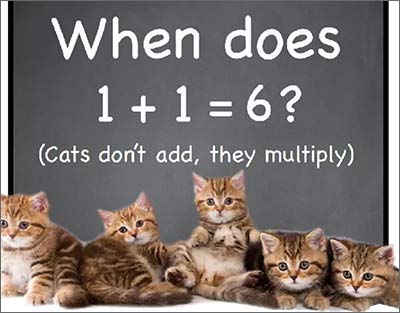
- Preventing unplanned litters! Left un-spayed, a female cat could potentially have three or four litters each year. Over a five year period one unspayed female could be responsible for up to 20,000 descendants!
- Kittens may be cute but they will all need to be found homes, which uses up homes that rescued cats could have had.
- Female cats will ‘call’ or wail extremely loudly when in season - often in the middle of the night.
- Your female cat will also wander in search of a mate, increasing the risk of getting lost or injured. Indoor cats often try to escape to do so!
- Reduces the risk of your cat developing a uterine infection.
- Spaying your cat will reduce the risk of spreading diseases and some cancers.
- Kittens are hard work and very expensive - the cost of spaying your cat is far lower!
What is Neutering?
Neutering a male cat is a quick and simple procedure where both testicles are removed. Spaying a female cat is a routine operation, which involves removing the uterus and ovaries through a small incision. In both cases you can usually drop your cat off in the morning and pick them up later that day. Once home, your cat will still be feeling some of the effects of the anaesthetic, so your vet will usually advise keeping them indoors for a few days.
 When You Should Neuter Your Cat
All cats can be spayed or neutered from 4 months old. This might seem really young, but this is the age at which cats can begin breeding, so it is really important to get them neutered at this age. When it comes to breeding, cats do not discriminate between related and unrelated cats, so they will mate with their brothers or sisters and even parents - so do not take the risk.
Can you imagine your adorable little kitten having kittens of her own when she’s not even 6 months old?
Many cat charities also run a ‘trap, neuter, release’, or TNR, scheme, which essentially means that they will catch stray or feral cats that cannot be rehomed and neuter them before returning them back to their habitat. This is a really great initiative but sadly it’s hard to stay on top of the growing feral cat population, making it even more important to neuter your own cat, so that they don’t add to the problem.
How Much Does Neutering a Cat Cost?
The average cost of neutering a male cat in the UK can be anywhere from £40-£80, and around £50-£100 for a female. If you adopt a cat from a rehoming organisation they may neuter the cat prior to adoption, or provide you with a voucher to reduce the cost. Remember, the cost of treating injuries, locating lost cats or caring for a litter of kittens will most likely be much higher than the initial neutering cost.
If you’re worried about the cost of neutering your cat there is help available. Because this is such an important issue a lot of charities offer financial assistance towards neutering.
Find out more here: Neutering or Spaying Your Cat.
Contributor: Ella Street, Cat Chat Blogger
Published: October 2020 (updated October 2023)