When adopting, please consider the harder to home cats…
Some cats wait much longer than others to get chosen, for a variety of reasons. Black cats, shy or nervous cats, older cats, FIV cats... yet they all have just as much love to give.
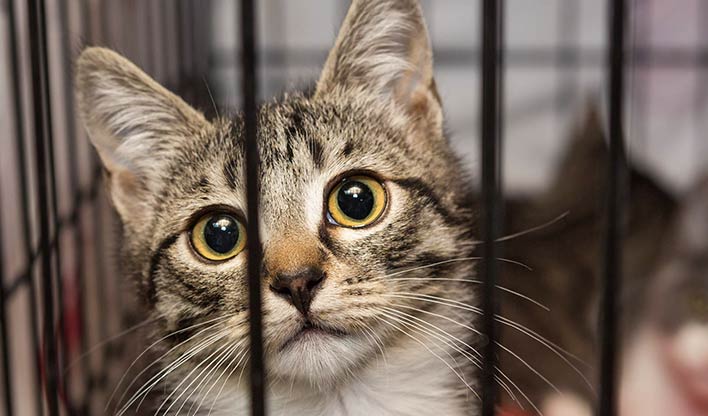
Well done for wanting to adopt a rescue cat!
If you're reading this blog, you may be considering adopting a rescue cat. That is great news! Well done for getting this far...
Adopting a rescue cat is without a shadow of a doubt, one of the most rewarding things you will ever do. There are literally thousands of wonderful cats waiting patiently, in rescue centres across the UK & Ireland for someone like you to adopt them.
By adopting from a rehoming centre, you are in fact, helping TWO cats... You will be freeing up space in the shelter for another cat in need. Rescue centres are usually full to capacity, and your adoption allows them to take in and care for another cat.
Please consider the harder-to-home cats...
For some rescue cats, the odds of being chosen for adoption are reduced... It may just be because they don't push themselves forward as much as the others when potential adopters visit the shelter, or because they are considered plainer in appearance, or because they face other challenges. But we believe there is a perfect home for every cat!
One thing is certain, it's always through no fault of their own that some cats find themselves 'overlooked' in rescue. Let's look at some of the reasons why…
Fur Colour
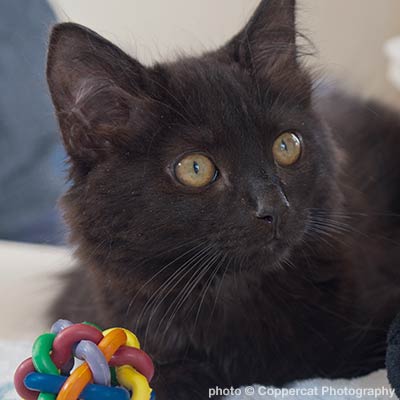 It's amazing isn't it… as humans we embrace diversity and love one another regardless of colour and appearance. But unfortunately this is often not the case when choosing a cat:
Black cats often get overlooked in favour of more ‘colourful’ cats. Even black kittens are left until last for adoption. The outlook for a black, adult cat in rescue is therefore very bleak. Some spend many months in rescue, waiting for someone to see past their colour.
Black cats have long been unfairly connected with superstitions, or depicted as witches 'familiars'. While some cultures consider black cats to be lucky, this positive association doesn't always outweigh the negative perceptions. In recent times, black cats are often passed by simply because they may not appear as striking in photos or social media posts! In reality, a black cat won’t work any magic or change your luck, but you can consider yourself very lucky to share your life with one!
Another colour prejudice casualty is the black and white cat. In spite of their distinctive markings and striking contrast, black & white cats also find themselves disregarded by those wanting ‘prettier’ coloured cats.
The fact is that beauty is in the eye of the beholder... So next time you see a black (or black and white) cat, notice what makes them wonderful. You won’t be disappointed! Could you give a black, or black & white cat their 'lucky break'? See our top 10 reasons to adopt a black cat.
Nervous Cats
Shy or nervous cats often fall below the radar in rescue shelters, while the more outwardly affectionate and playful cats are adopted. It might just be because they don't cope very well in a rescue environment, which can make them shy away from people. This is a real shame, because they will blossom into the most affectionate and loyal pets if given the chance of a calm, loving home.
Sometimes their cautiousness stems from a more deeply rooted fear of humans. Usually, all these gentle little souls need is patience and the right approach to help build their confidence. They will learn to appreciate quiet companionship and gentle affection from their trusted humans. The process of gaining their trust may be slow, but will be incredibly rewarding... Every small step forward, like a gentle nudge with their head or a slow blink towards you, will fill your heart with pride and joy.
The deep bond formed with a shy cat who has learned to trust you is truly special. It's a testament to the power of patience, understanding, and unconditional love. Most rescue shelters have some nervous residents waiting for their lucky break. If you're considering adopting a cat, please don't overlook the shy ones.
Winning the trust and love of a nervous cat is incredibly rewarding for you... and them! Ask about shy cats at your local rehoming centres.
Special Needs Cats
Disabled cats often find it harder to be homed, yet cats are remarkably adaptable when coping with a disability, and have just as much love to give. Three-legged cats, deaf cats, blind or partially sighted cats for example. Cats with minor health issues are also often passed by, even those with conditions that are easily controlled such as feline diabetes. Rescue centres will usually offer extra advice and support after adoption. Could you adopt a cat with special needs?
A cat's ability to love and form bonds with their human companions is not diminished by a disability. They are still capable of purring, cuddling, playing, and offering unconditional affection. Disabled cats deserve loving homes just as much as any other feline.
If you are the kind of person who doesn't like labels, and wants to break down barriers, choose a cat with special needs. You'll be providing a loving, supportive environment to an animal who is almost certainly going to be rejected by some. You will be sending out a positive social message, and helping to break down the stigma surrounding disability.
FIV+ Cats
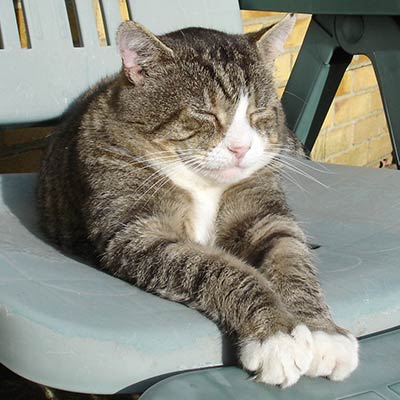 FIV positive cats are often victims of past misconceptions about FIV (Feline Immunodeficiency Virus), waiting much longer for adoption than other cats. Many people are still reluctant to adopt FIV positive cats, simply due to mis-information of fiction versus fact.
Being FIV positive doesn't mean a cat is ill, in fact many people will already own an FIV+ cat without ever being aware of it. Cats with FIV can live a normal lifespan, and are in fact, just normal cats! FIV is species specific, and cannot be transmitted to humans. So why are so many of them overlooked? Find out more: FIV - Facts, not Fiction.
Feral and Farm cats
Feral cats need our help now more than ever… Urban development has significantly impacted feral cat populations, displacing them and disrupting their established colonies. Relocating these cats to suitable rural environments is a compassionate and practical solution. That's where you come in…
Rescue organisations who help feral cats are frequently in need of new locations to place them, because it isn’t always safe to return them to their original home. Farms, smallholdings, stables, and rural homes with land or large gardens are ideal settings for these cats.
When adopting feral cats from a rescue shelter, you can be sure that your new feline friend(s) will already be neutered, so no unwanted surprises! You would of course need to keep an eye on them for any medical issues that might require veterinary attention. Feral or ‘farm cats’ offer natural rodent control and the only payment they require is regular food, clean water daily, and somewhere warm and dry to shelter.
Older Cats (Senior Kittizens!)
Please consider the older cats when adopting… Even cats as young as just 8 or 9 years get overlooked, even though these days that's just middle aged! Their plight is even worse in summer when there are so many kittens available - and all those wonderful, loving 'Senior Kittizens' are yet again left behind.
Older Cats are usually undemanding and need little or no house training. They're also unlikely to leap up on your shelves and knock your ornaments off, or climb up your curtains! Mature cats tend to be calmer and less demanding than youngsters, making them a great choice for busy households or those wanting a more relaxed cat companion.
If you overlook the oldies, you will miss out on some of the most special cats, and that special cat is missing out on the loving home they long for. When adopting a cat, a good personality 'match' is much more important than age.
Many shelters offer some kind of 'Puss Pension Scheme' whereby if you adopt a cat over 10 years old, they may offer to pay for any unforeseen future vet bills. Ask at your local rescue centre about their Older Cat schemes.
At Cat Chat, we’re passionate about finding homes and happily-ever-afters for Mature Moggies... so much so that we have an information page about it - including our Top 10 Reasons to Adopt an Older Cat. Also see our Adopting an older Cat blog post.
Indoor Cats
Indoor cats are another sector of the feline population that are often harder to home. Perhaps some feel that the cat would be missing out in some way… or maybe it's because indoor cats need more input from their humans. It’s true that cats are naturally curious and active animals, and their instincts for exploring and hunting can’t be denied. But don't worry; by providing a stimulating environment, with alternative ways to fulfil these behaviours your indoor cat can live a happy and fulfilling life. To find out more, we have some great ideas to keep indoor cats stimulated, active and happy!
Some cats can be better suited to living indoors: For example nervous cats, deaf or blind cats, those with certain health conditions or disabilities, or simply cats who have previously lived indoors. There are advantages to an indoor life, such as being shielded from dangers such as traffic, conflicts with other animals and contracting certain diseases, as well as greatly reducing their chances of ever getting lost.
Adopting an indoor cat could be the ideal solution for you if you live in a flat, or on a main road where going outside would be too dangerous. Ask at your nearest Rescue Centre about indoor cats.
Bonded Pairs
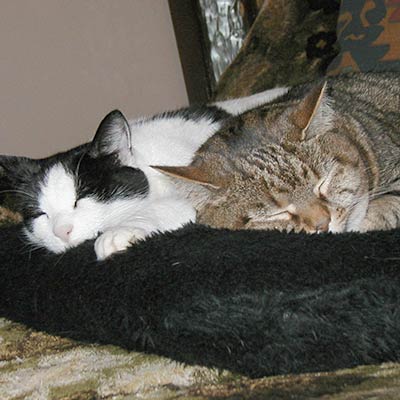 Just like humans, cats form deep emotional connections. Bonded pairs often share grooming sessions, sleep and play together, and seek each other out for comfort. This bond provides a sense of security and companionship, especially for rescue cats who have already been through so much. Most adopters however, are only looking for a single cat, often because there is already a cat in the household, and therefore far fewer people are able to adopt two (or more) cats at the same time.
Understandably, some people simply don’t have the space, finances and other resources needed to home more than one cat... and that is of course fine. But if you do have what it takes, adopting a bonded pair together ensures their emotional and physical well-being and minimizes the likelihood of stress-related behavioural problems. A pair can also be a great option for owners who will be out for part of the day, as two cats can keep each other entertained, avoiding destructive behaviours that can arise from loneliness.
As an added bonus, owners of bonded pairs of cats get twice the purrs and double the cuddles - it's a win-win situation! Ask about bonded pairs of cats needing a home at your local rescue shelter.
Rooting for the 'undercats'!
As you can probably tell, our passion is to encourage more people to adopt rather than buying from a breeder. We are particularly committed to finding homes for the 'undercats'.
If this blog has inspired you to contact your local cat rescue shelter, and to ask about their ‘overlooked’ or harder-to-home cats, then it's a job well done!
Before you adopt, please remember
Adopting any animal is a long-term commitment, much like a marriage, for better or worse, in sickness and in health. The average lifespan of a cat is 12-16 years, but many cats these days reach 20 years or more. Food can be relatively cheap, but vet bills and pet insurance are not. Costs such as worming and flea treatment must also be considered, as well as cattery fees when you go on holiday. Check out our blog post: Thinking of Getting a Cat?
Alternative option to adoption
If after reading this you feel that you still want a cat, but don't want the lifelong responsibility or expenses that go with it? Then cat fostering could be the answer…
Many rescue organisations rely on fosterers to care for cats 'between homes' particularly in kitten season when they are at their fullest. Could you be a cat fosterer? Find out about cat and kitten fostering.
Life-long and short-term foster homes are always needed by the Cinnamon Trust, the national charity for the elderly and their pets. When an elderly owner dies, the Trust aims to find a lifetime foster home for their animal companion(s). Short-term foster homes are needed when people go into hospital and need temporary care for their cat. Veterinary fees are covered by The Trust. Find out more here: www.cinnamon.org.uk
And finally…
If you’re already lucky enough to share your life with a formerly "harder to home" cat, we wish you and your perfectly imperfect furry friend the best of times together!
Further Information
Overlooked Cats in your area
Adopting and Living with a Disabled Cat
Help your Deaf Cat Thrive
CH (wobbly cats) - what is Cerebellar Hypoplasia?
Living with a Blind Cat
Adopting an Older Cat
Indoor Cats - Keeping Your Cat Entertained